
Sevier County Unclaimed Money Lookup
The Utah State Treasurer holds unclaimed money on behalf of Sevier County residents who have lost track of old bank accounts, paychecks, tax refunds, or insurance benefits. Searching costs nothing and takes only a few minutes at mycash.utah.gov. There is no deadline to claim what is yours. This guide covers where to look, what to expect from common Sevier County property types, and how to complete the claim process start to finish.
Sevier County Quick Facts
Search Sevier County Unclaimed Funds at mycash.utah.gov
The official Utah unclaimed property search portal is at mycash.utah.gov. It is free, open all day and night, and does not require any account creation just to search. Enter a last name to see any matches. You can also search business names if you are looking for funds from a company you once operated.
All holders operating in Sevier County, including banks, credit unions, employers, insurers, and utility companies, must report and transfer dormant accounts to the state. Once transferred, the state holds the funds indefinitely on your behalf. Richfield is the commercial hub for central Utah. I-70 passes through the county, and the area sees a mix of agricultural workers, highway travelers, and transient employees in the service sector. Any of these groups can leave behind accounts and uncashed funds.
If you have lived, worked, or done business in Richfield, Monroe, Salina, or any other Sevier County community, searching is always worth a few minutes of your time.
The Utah State Treasurer's MyCash portal covers all unclaimed property reported by Sevier County holders including banks, employers, and insurance companies.
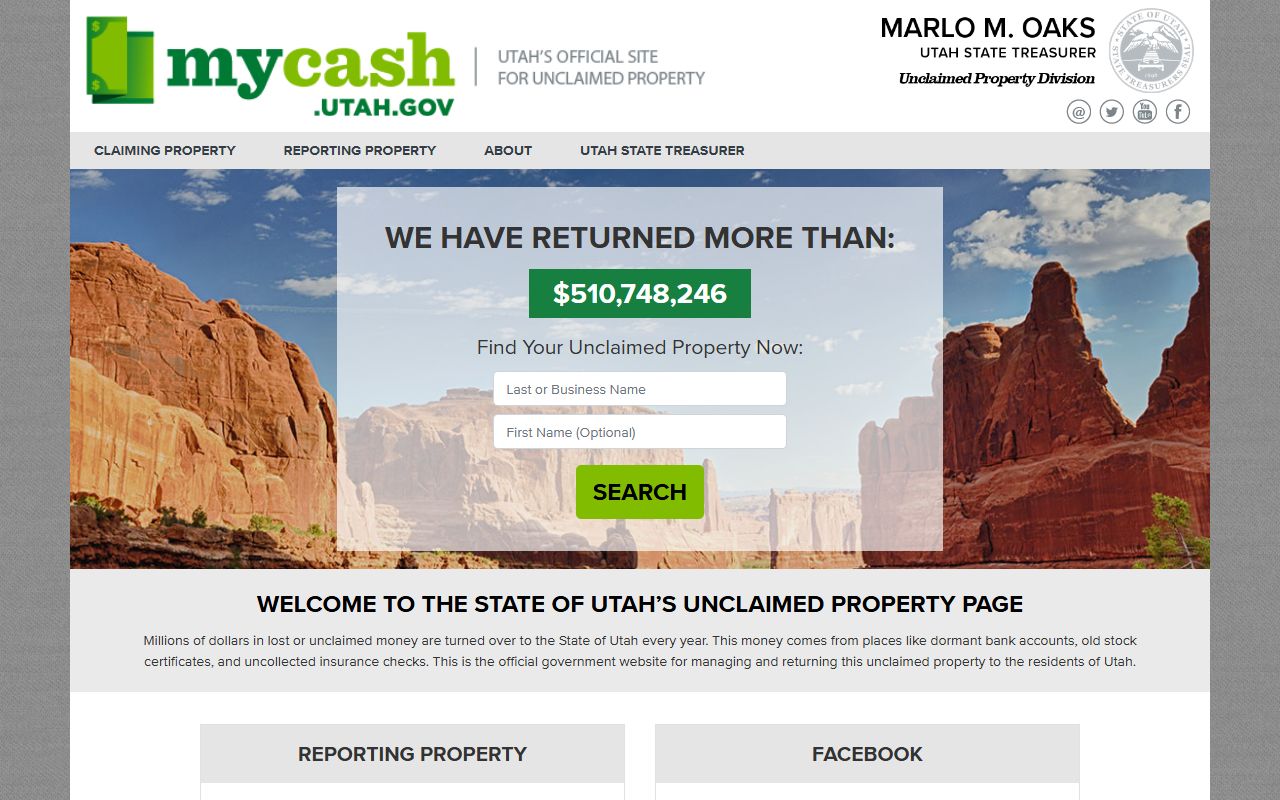
Visit mycash.utah.gov to begin your free search. The portal is maintained by the Utah State Treasurer's Unclaimed Property Division and is updated each year.
What Types of Unclaimed Property Come from Sevier County
Agriculture drives a lot of Sevier County's economy. Alfalfa farming and cattle ranching are common. Seasonal and agricultural workers who move between jobs or relocate are a frequent source of unclaimed wages. Employers turn over uncashed payroll checks to the state after one year of no contact.
Tax refunds are another category worth knowing about. Rural residents who move away and update their address with some agencies but not others may miss a state or federal refund check. State income tax refunds that go undelivered eventually get turned over to the state's unclaimed property program. The Utah State Tax Commission works with the Treasurer on this process.
Highway-adjacent businesses along I-70 generate escrow accounts, deposits, and business refunds that can also become unclaimed. Transient populations in this corridor leave behind accounts at a higher rate than stable suburban communities.
Common unclaimed property types for Sevier County residents include:
- Uncashed payroll or agricultural wage checks
- Dormant savings or checking accounts
- Uncollected state tax refunds
- Life insurance policy proceeds
- Utility deposits from prior addresses
- Stock dividends and investment accounts
- Refunds from canceled service contracts
Sevier County Courthouse Information
The Sevier County Courthouse is at 250 N Main Street, Richfield, UT 84701. The main phone number is (435) 893-0401. County offices here handle recording, elections, tax collection, and other local government functions.
Courthouse records can be useful when you need to document ownership for an unclaimed property claim. Property deeds, marriage records, and probate filings can all help establish your right to claim funds. If you are claiming on behalf of a deceased relative, the county may have records you need as part of building your claim file.
County offices here do not hold unclaimed money. All dormant accounts and unreturned funds from Sevier County businesses and institutions go to the Utah State Treasurer, not to the county. Contact the state directly for anything related to your unclaimed property search.
MissingMoney.com is a national tool endorsed by NAUPA that lets Sevier County residents search multiple state databases in a single free search.
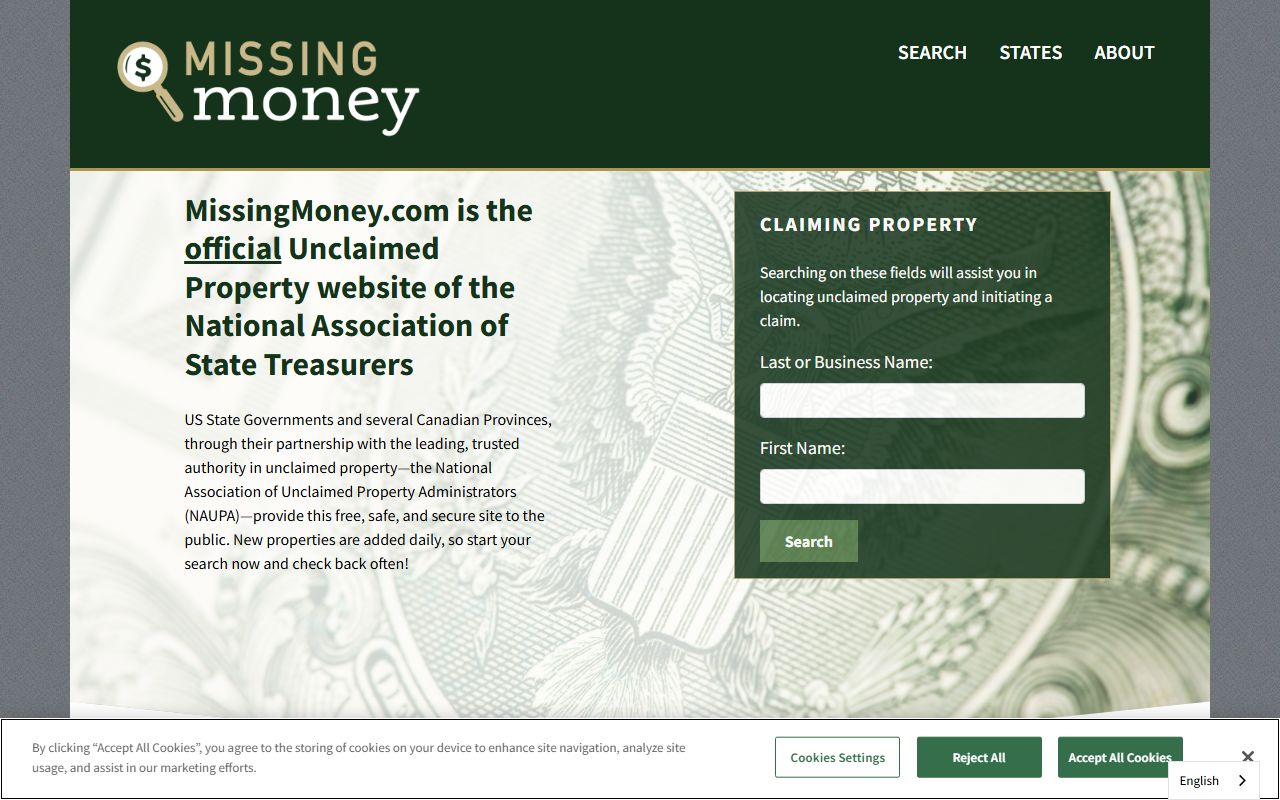
MissingMoney.com is operated by the National Association of Unclaimed Property Administrators and covers more than 39 states for free. This is a good second step if you have lived outside of Utah.
State Tax Refunds as Unclaimed Property
One thing that Sevier County residents sometimes overlook is state income tax refunds. When the Utah State Tax Commission issues a refund check and it is returned as undeliverable, the funds eventually transfer to the state's unclaimed property program. This can happen when someone moves and forgets to update their address with the Tax Commission.
The Utah State Tax Commission processes income tax refunds, and undelivered refund checks can end up as unclaimed property held by the Utah State Treasurer.
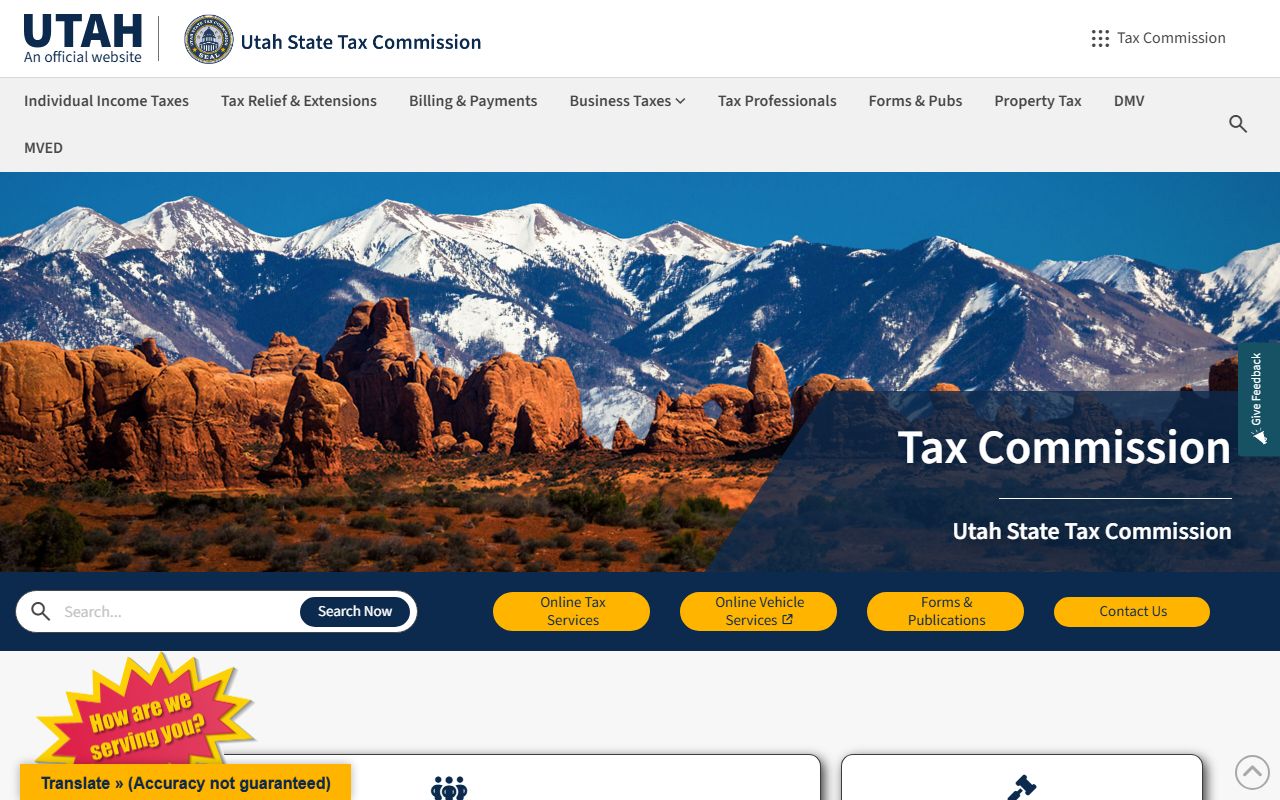
If you moved and missed a state refund, that money may now show up in the mycash.utah.gov database under your name. It is worth checking even if you are confident you filed correctly. Refund checks can go astray for many reasons.
This is particularly relevant for Sevier County residents who have relocated to other Utah counties or out of state but previously filed Utah returns. Your old address may still be on file with the Tax Commission, and your refund may have gone to a place you no longer live.
Note: The state holds these funds permanently. Even if a refund went uncollected years ago, it is not gone. Search your name and find out.
How to Claim Sevier County Unclaimed Money
Start at mycash.utah.gov. Search your last name. If you see a match, click on it to start the claim. The system will prompt you for basic information and ask you to upload supporting documents.
Most straightforward claims require a government-issued photo ID and your Social Security card. Together these confirm your identity and tie you to the account. If the property belonged to a business, you may need articles of incorporation or other entity documents.
Estate claims are a bit more involved. You will need a death certificate for the original owner, plus proof of your legal authority, such as letters testamentary from a probate court. Gather these documents before you begin to avoid delays in processing.
Submit everything online through the portal or send paper copies by mail to: Utah State Treasurer, Unclaimed Property Division, P.O. Box 140530, Salt Lake City, UT 84114-0530. You can call (801) 715-3300 with questions. Track your claim status online once submitted. Under Utah Code 67-4a-501, no deadline applies to filing a claim.
Utah Unclaimed Property Law Basics
Utah's unclaimed property rules come from the Revised Uniform Unclaimed Property Act. The relevant statutes are in Utah Code Title 67, Chapter 4a. The law sets out dormancy periods, reporting rules for holders, and the rights of owners to claim their property at any time.
Wages and utility deposits go dormant after one year. Bank accounts, stocks, and most insurance proceeds become reportable after three years. Money orders carry a seven-year dormancy period. Traveler's checks wait 15 years. Once dormant, the holder reports and transfers the funds to the state. From that point the state acts as custodian.
Since the program launched in 1957, and since 1984 in its current form, Utah has returned more than $131 million. About one in five Utahns has a match in the database. Even small amounts add up. A $40 utility deposit from ten years ago is still money owed to you. More information is at treasurer.utah.gov/unclaimed-property. Business reporting requirements are at unclaimed.org/reporting/utah.
Nearby Counties
The same state search portal covers unclaimed property from all Utah counties. Check these nearby county pages if you have connections across the region.